A conversation with an Afghan musician building a new life in Japan
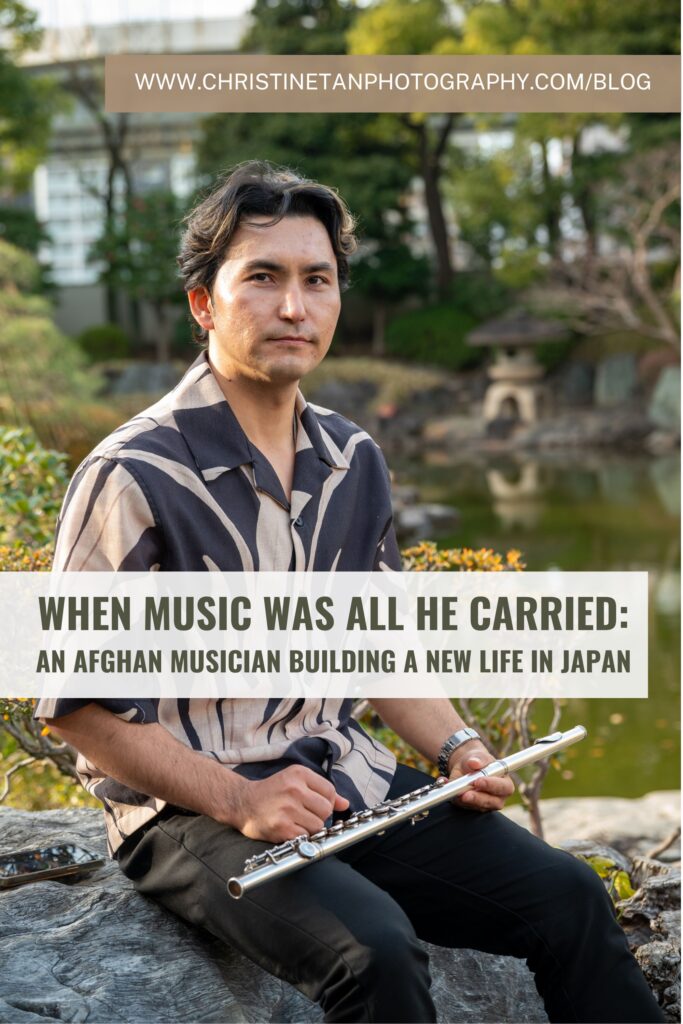
December holidays gave me an opportunity to travel to one of my favourite countries in the world — Japan. While this was primarily a family trip, I did sneak in a couple photoshoots of some extraordinary young people while there. The first to be featured on the blog is Jamshid. He is a musician, son, brother, and a refugee from Afghanistan.
If you’ve been following me for a while, you may remember that I mentored online a group of Afghan girls in Kabul from 2020–2022. Those relationships have endured despite the fall of their country in 2022. The diaspora that followed scattered these girls, and so many Afghans, far and wide across the globe.
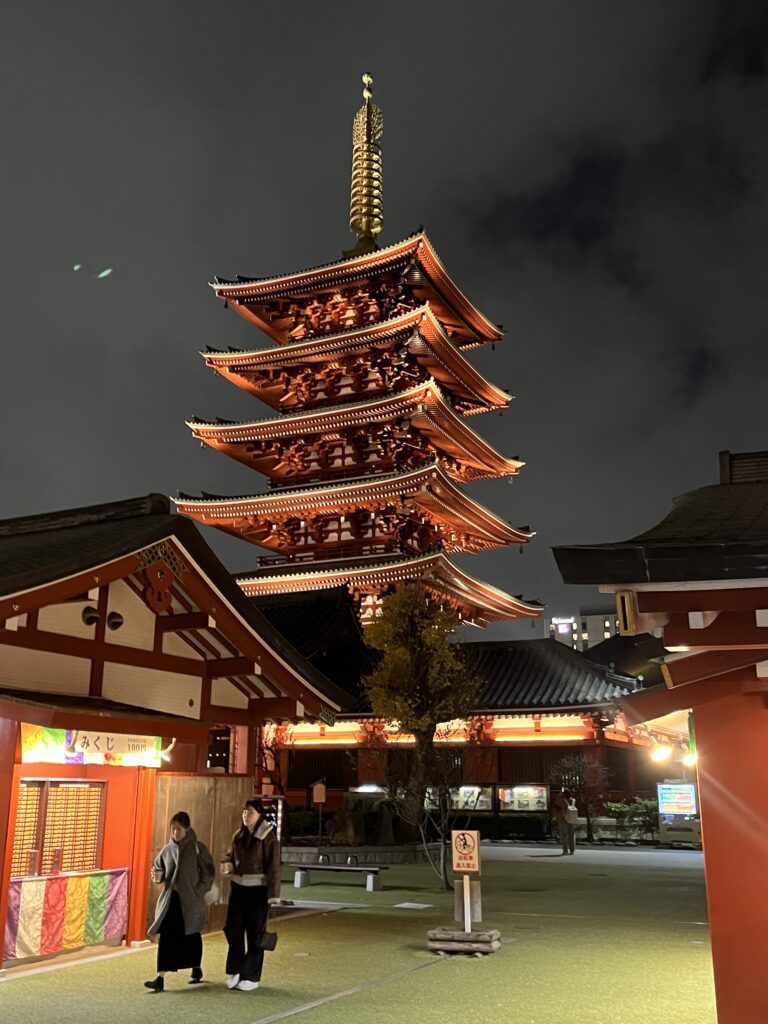
Through these relationships, I was introduced to Jamshid. He, his sister, and his mother left Afghanistan just before Kabul fell, in search of safety and the freedom to practice music. They fled at a time when everyday freedoms were being lost by so many Afghans. Jamshid is a flutist and had studied at the Afghan National Institute of Music, the first institute of its kind in Afghanistan. It has since been shuttered, the instruments destroyed, and the musicians forced to flee for their lives with whatever they could carry, hoping to start again in any country that would welcome them. Through a string of connections with his former international music teachers, Jamshid and his family were eventually accepted into Japan.
That’s how Jamshid ended up in Tokyo.
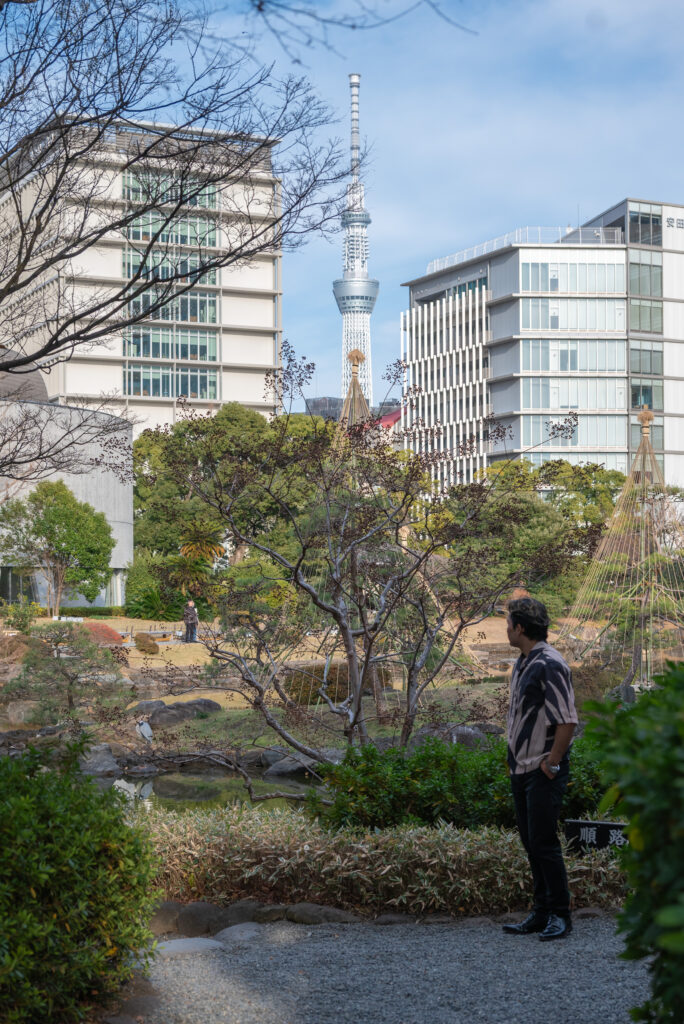
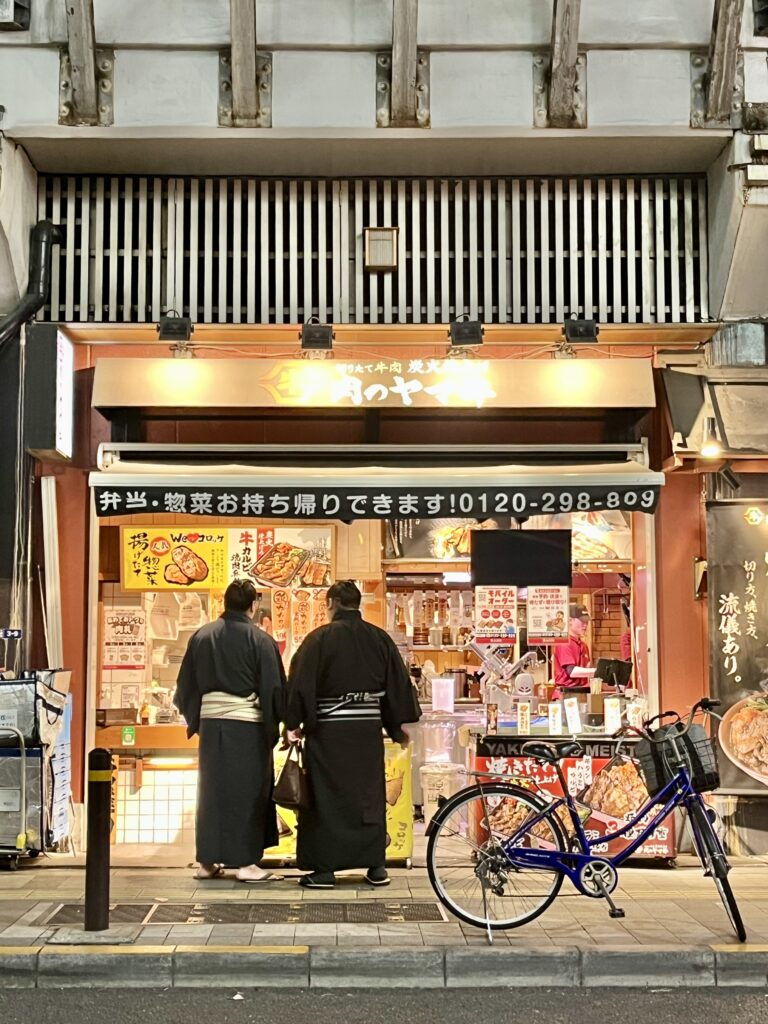
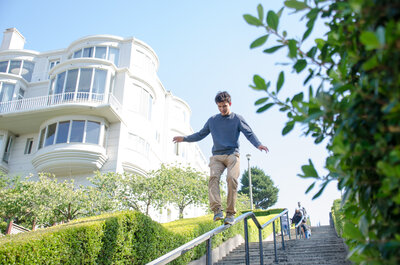
We met in person for the first time on a crisp winter day in the Ryogoku neighbourhood of Tokyo. This corner of the city, known as the centre of sumo wrestling. It is also the birthplace of Hokusai, the artist behind The Great Wave of Kanagawa, an image now recognised on everything from Uniqlo apparel to Daiso shopping bags.
Here is a peek into our conversations we had that day.
I asked Jamshid what he likes about his new life in Tokyo.
“I like the safety and how the people are very kind and also helpful.”
Depending on where you’re from, safety is something we may have come to expect. Being able to walk about freely, to share honest opinions in public and consider different perspectives is often taken for granted when we live in countries like Australia. Jamshid is experiencing this new feeling on a daily basis now that he’s living in Japan.
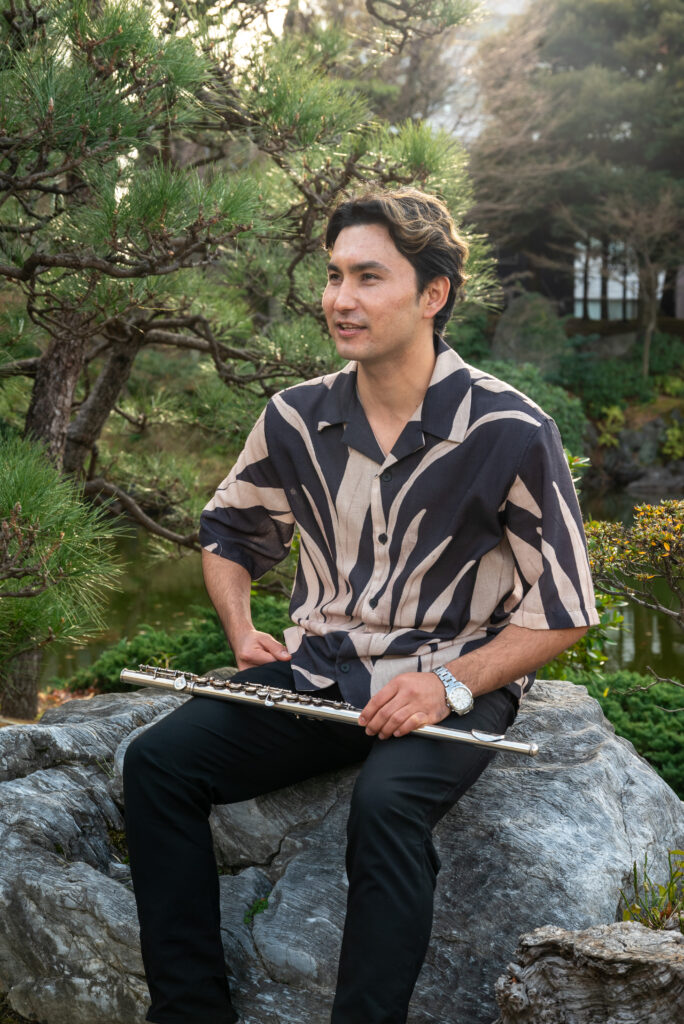
When asked what he misses most about Afghanistan, his answer shifts gently toward what has been lost.
“Of course, we miss our food, our friends, and the events that we used to gather together for. Some of them are not happening now in ways that we are used to.”
There is no bitterness in the way he says this, just the recognition that community, tradition, and togetherness are not often recreated in the same way once broken.
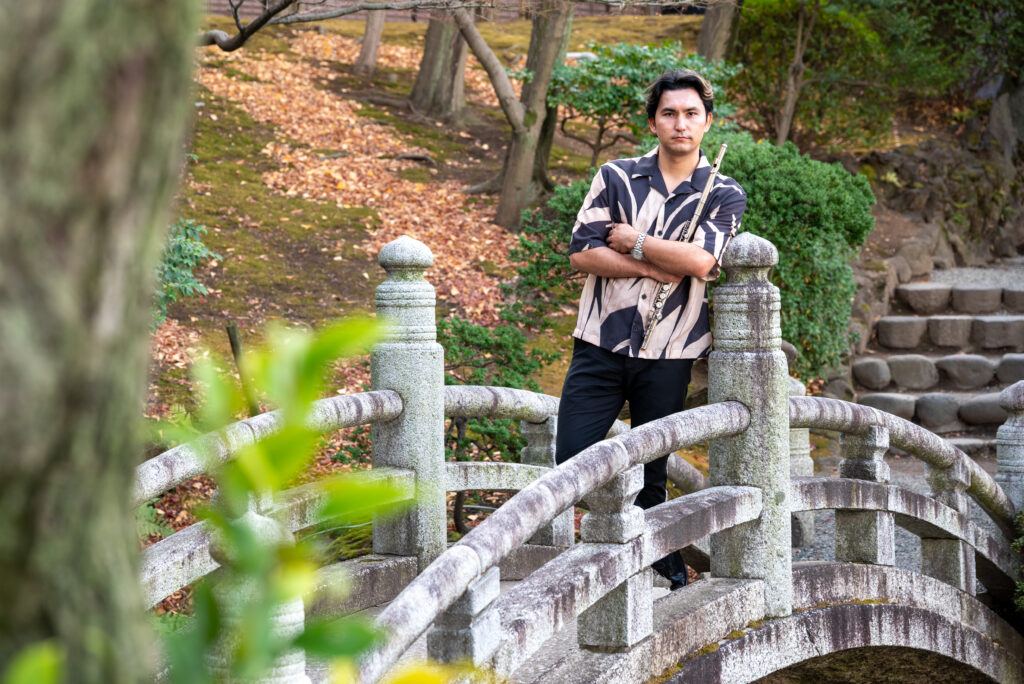
Making new friends in a new country has not been easy.
“It’s very difficult to make new friends. It takes time. I’m going slowly and I’m in no rush. I choose my friends carefully.”
I sense that he accepts it will take time for him to understand the new people he will meet and for them to learn to be comfortable with him. Interestingly, he said the people he most easily connects with are other internationals living in Japan.
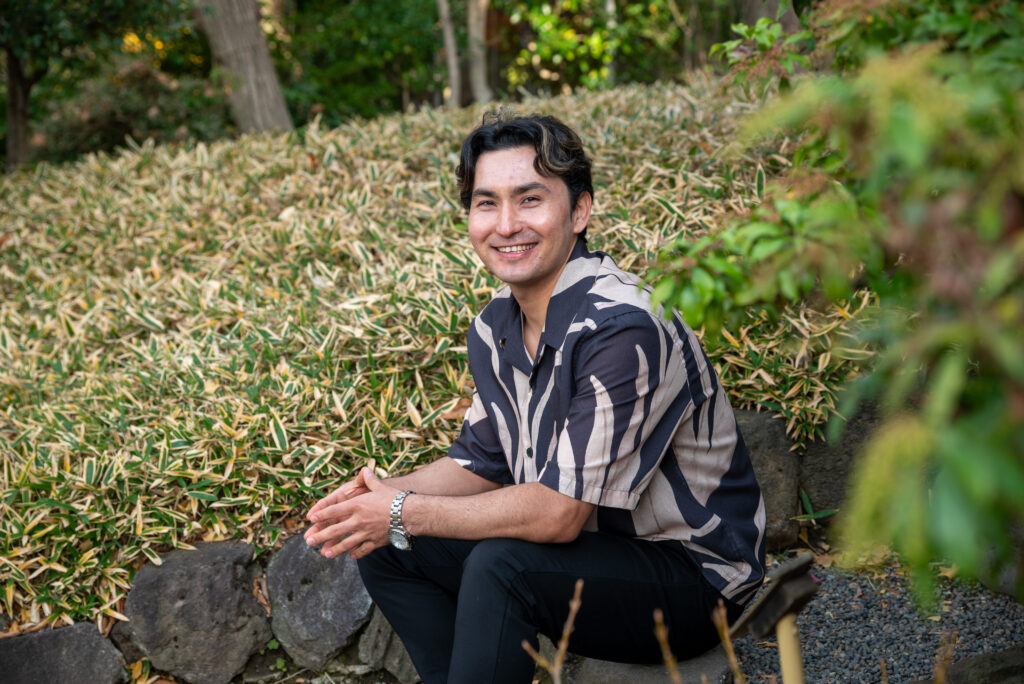
Family remains central to Jamshid’s life, particularly his relationship with his mother.
“My relationship with my mother is very good and I’m very happy that I have her. She has sacrificed a lot for us. Now it’s my turn to support her, take care of her, and make her happy as her son.”
While Jamshid studied Japanese and is proficient enough to go about daily life, his mother has been much slower in picking up a new language. She now very much depends on her son to get things done.
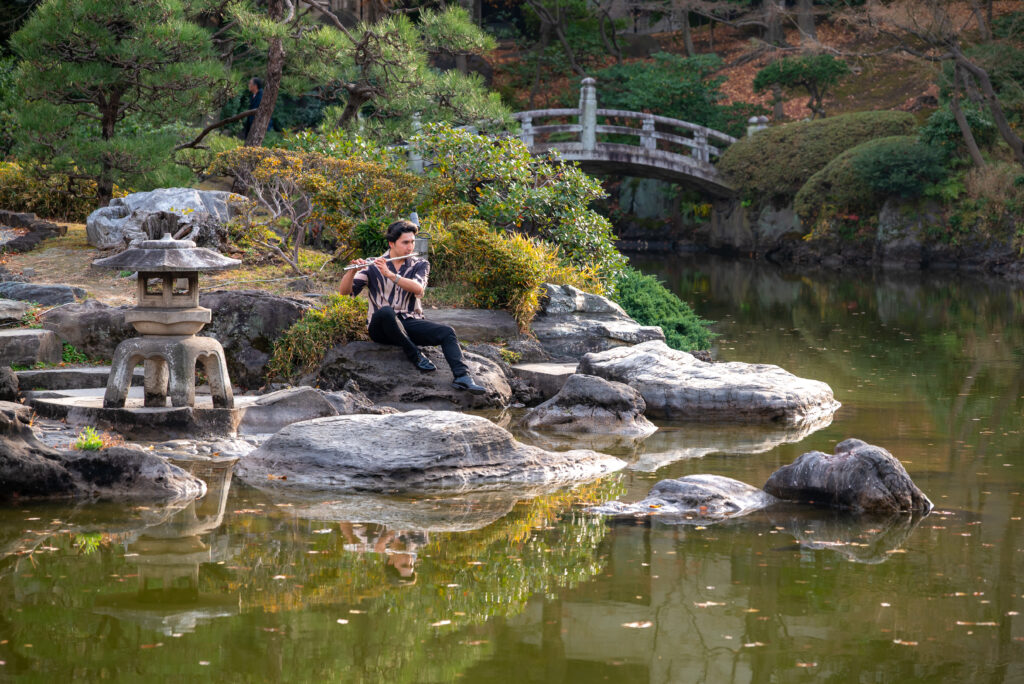
He responded thoughtfully when I asked about his experience as a refugee.
“Being a refugee or immigrant in another country is difficult. Some people accept you, some people do not. As I am here, I want to just do my job, follow the rules, and not upset others.”
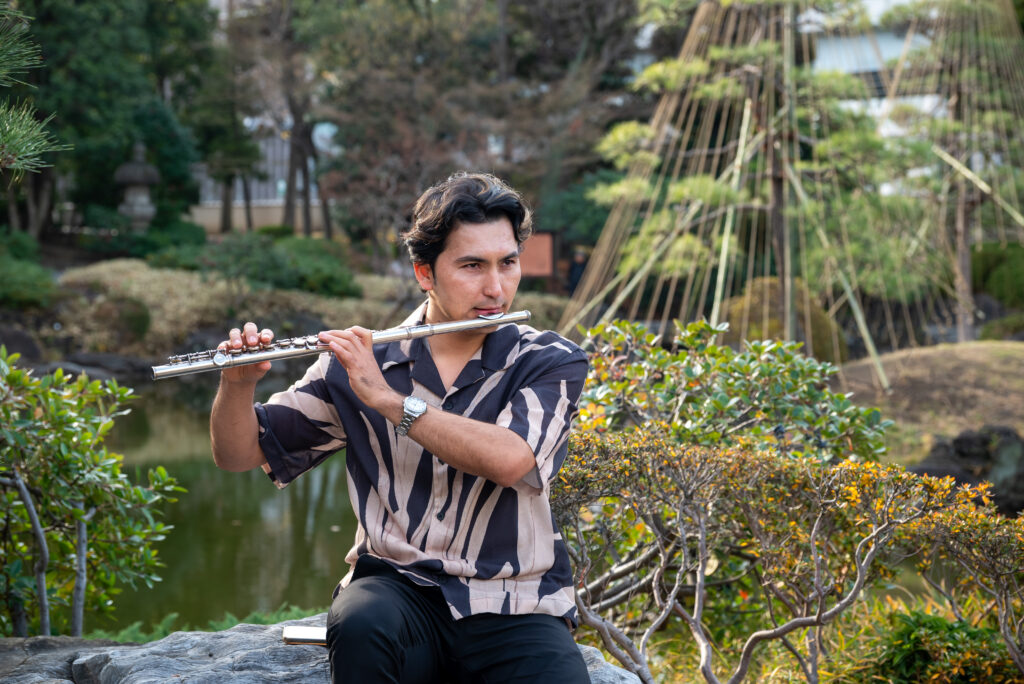
Looking ahead, Jamshid’s hopes remain closely tied to music.
“I want to perform more this year around Japan and introduce Afghan music to people who may not know much about Afghanistan or our culture and the sounds.”
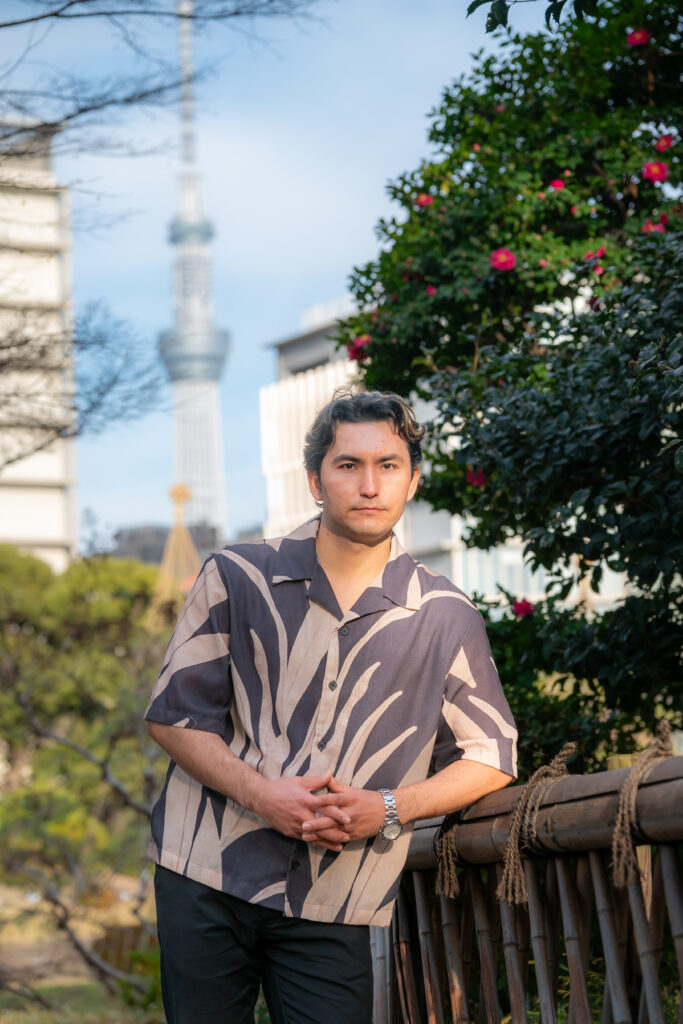
With only about 6,000 Afghans living in all of Japan, this desire feels both ambitious and deeply personal. Music, for Jamshid, is not only a profession but a way of building connection — a bridge between cultures that might otherwise have few reasons to intersect.
I ended by asking Jamshid if he had ever been photographed with his flute and what he thought of the experience.
“No, I’ve never been photographed with my flute like this before. It was great to meet you because we got to share our stories. I shared mine, and you shared yours, and it felt really good.”
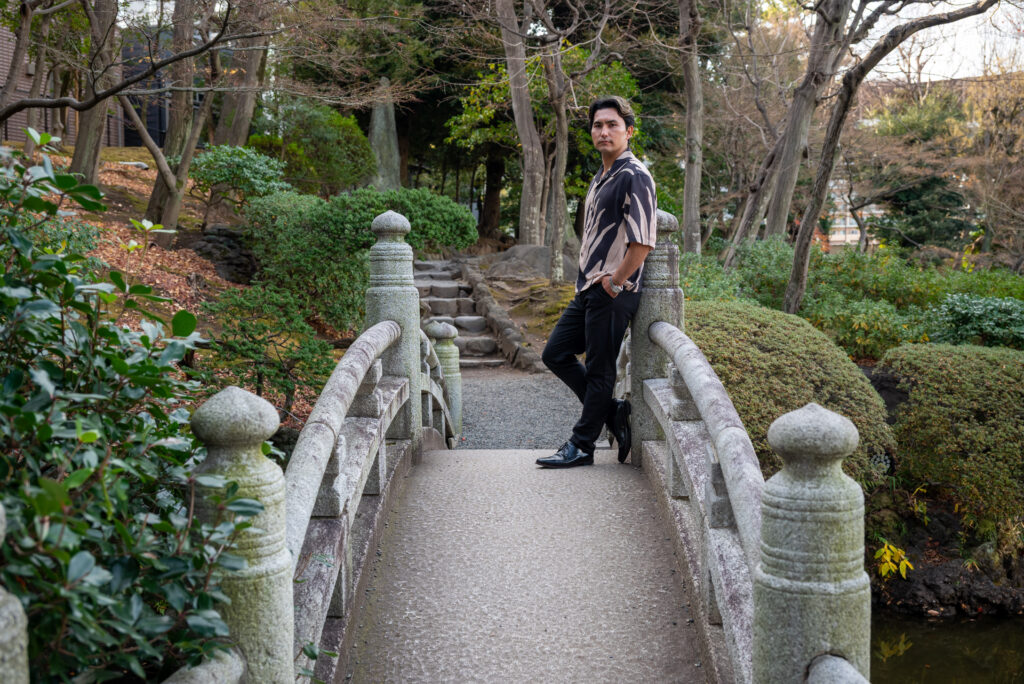
As Jamshid and his family continue to build a new life in Japan, learn a new language, and adapt to a new culture, he continues to look for opportunities to play, to connect with others, and to share where he comes from — one note at a time.




Comments
BE THE FIRST TO WRITE A COMMENT